the origins of rome chasing romulus
Chasing Romulus - The Origins of Rome is a long-term documentary photography project tracing the entire course of the Tiber River, from its source to its mouth, across 410 kilometers of Italian landscape.
According to Roman mythology, Romulus and Remus were abandoned along the Tiber's waters before being rescued by a she-wolf — the founding symbol of Rome. For over two thousand years the river was the lifeblood of the city, its only connection to the outside world. Today it lies neglected, almost invisible within the baroque body of the Eternal City.
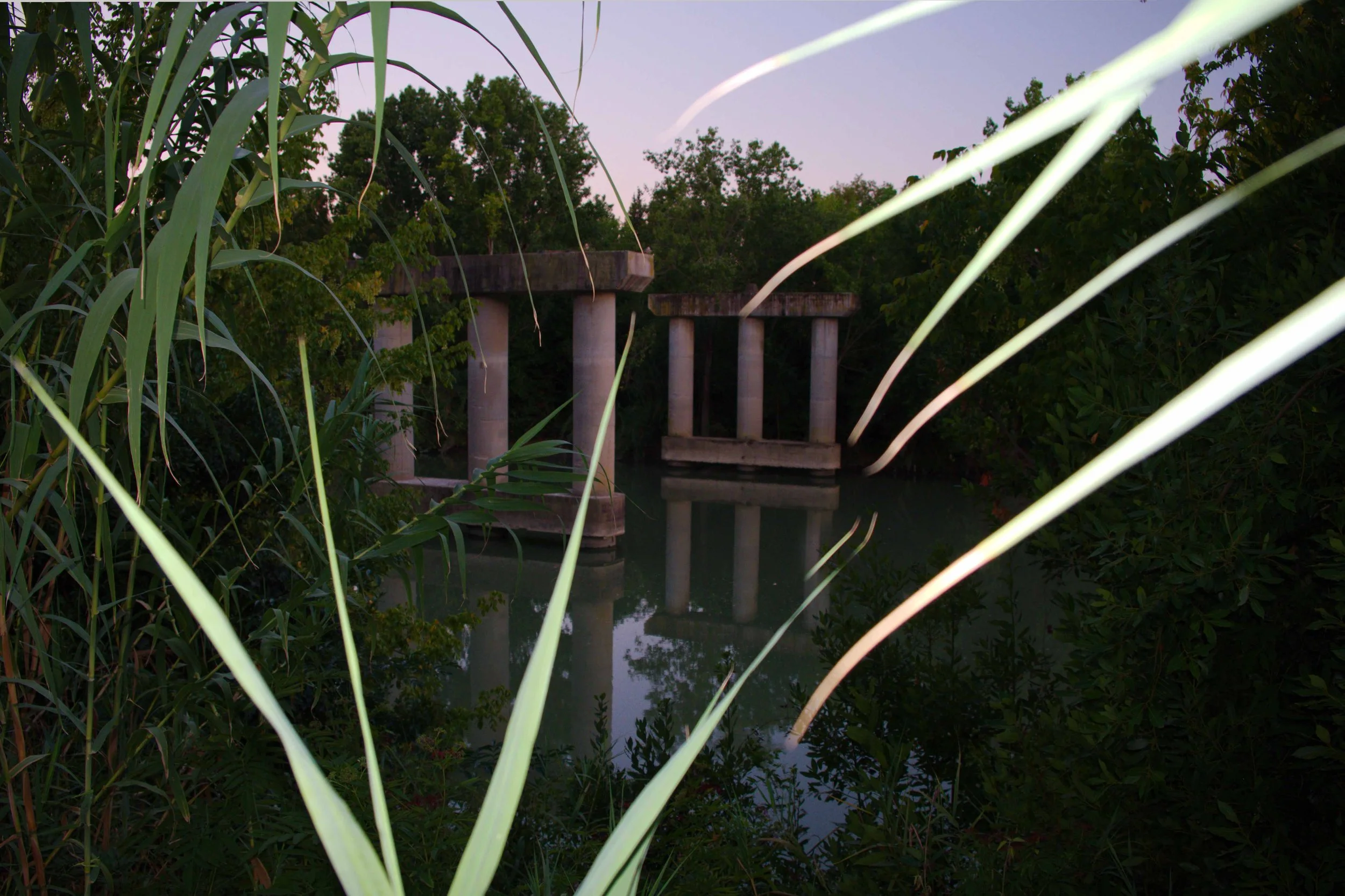
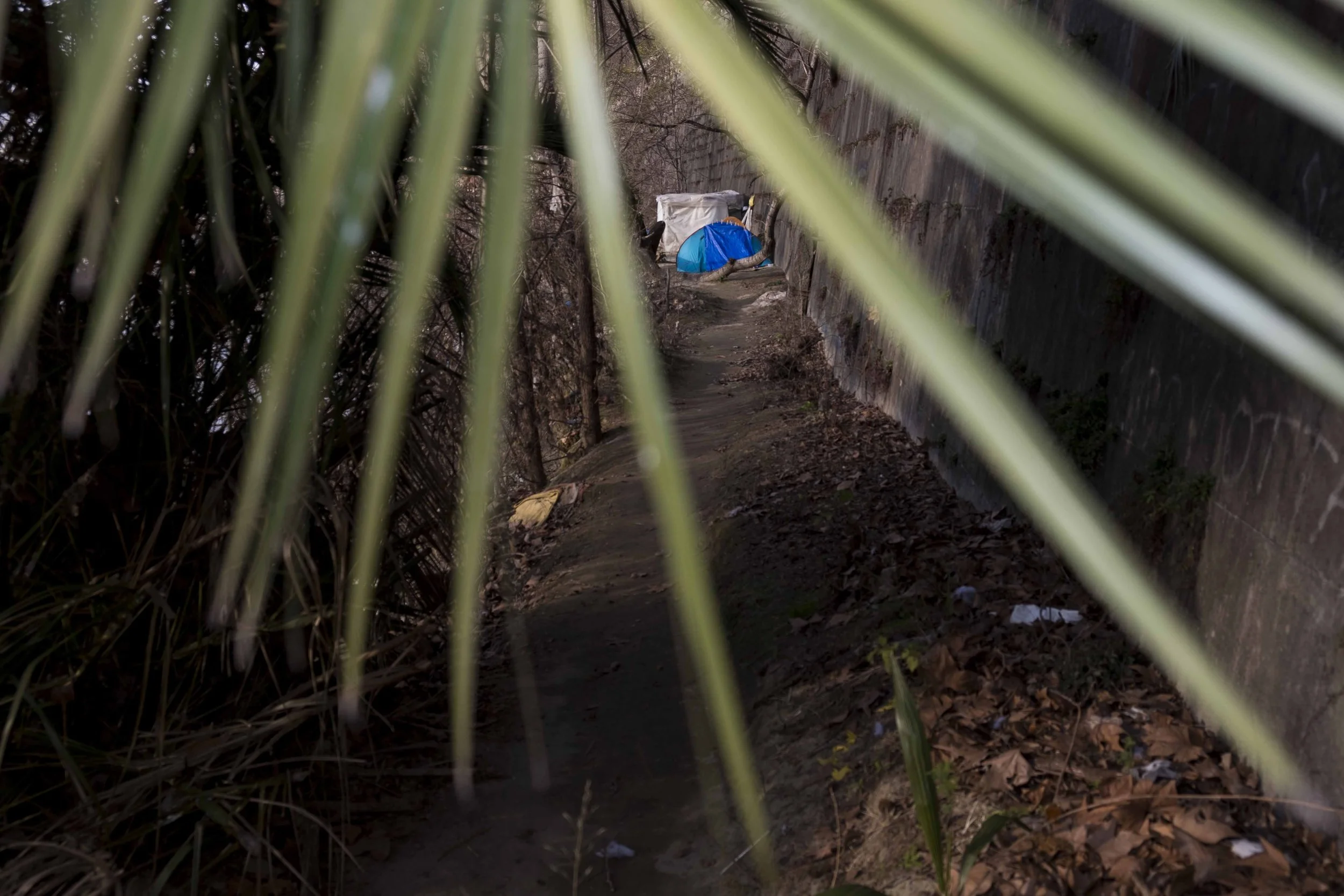
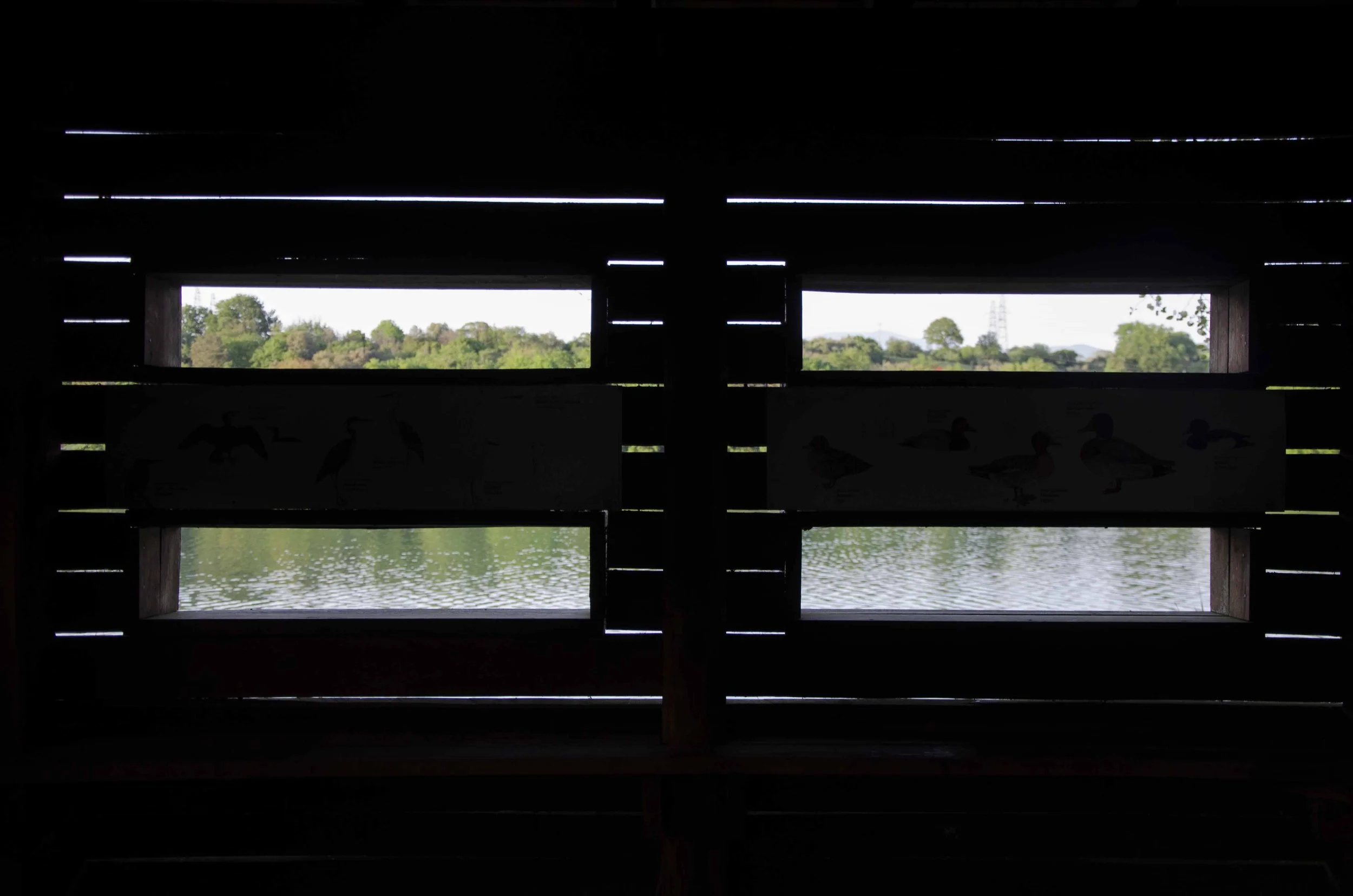
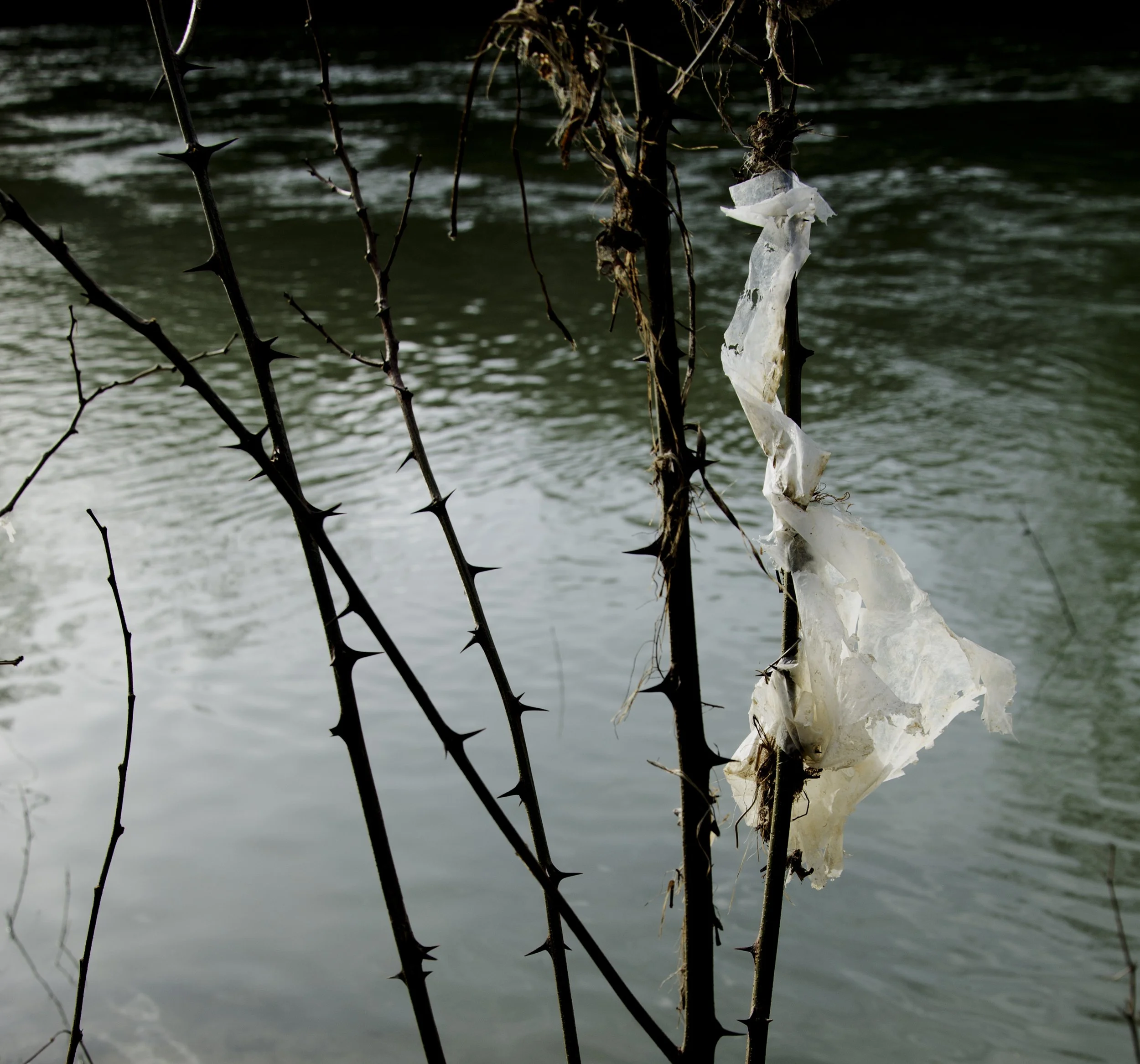
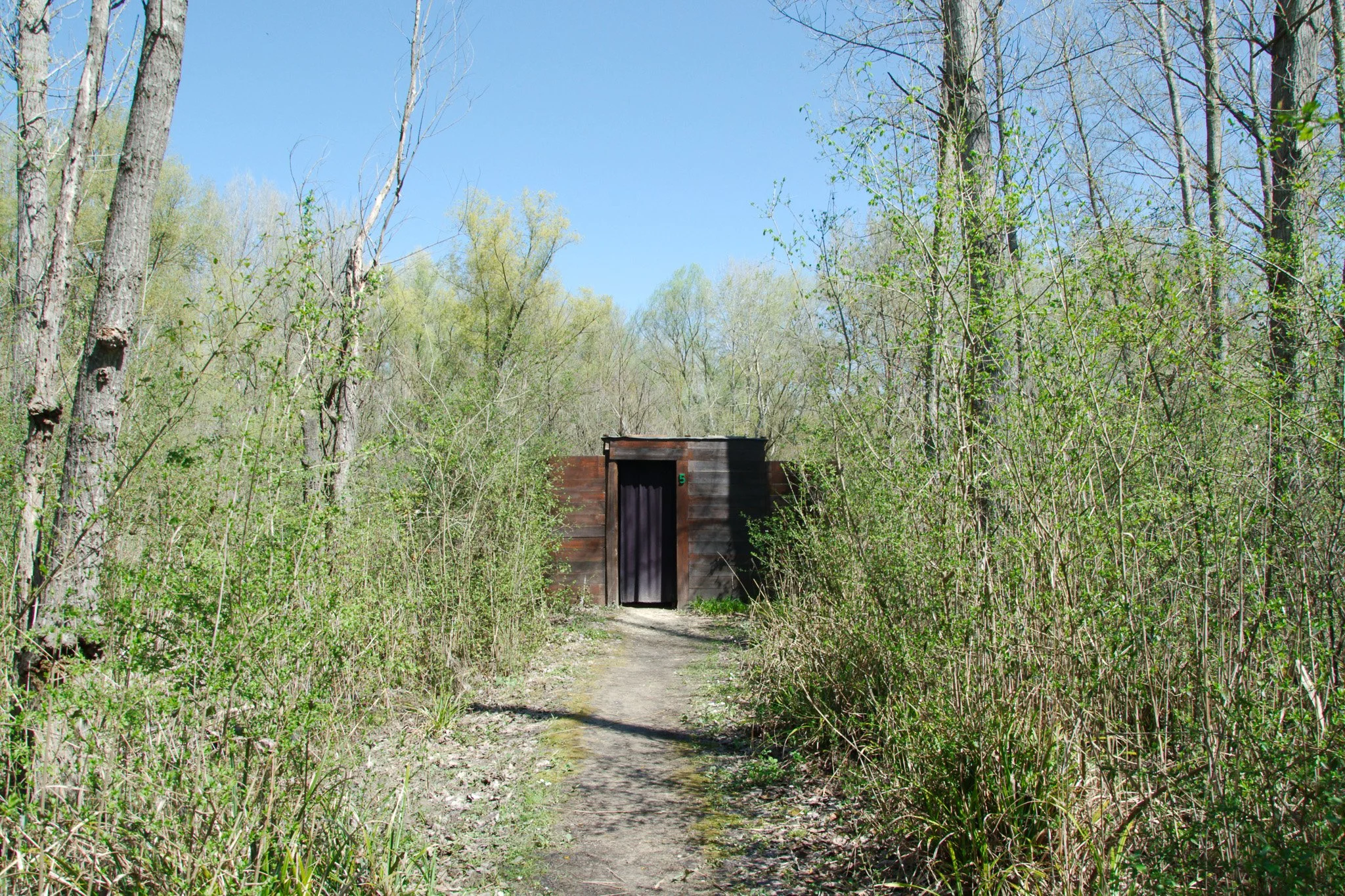
Over four and a half years, Susanna D'Aliesio traveled the Tiber by canoe, car, and on foot, photographing the river every five kilometers to build a systematic visual archive of its body. Past and present merge into a single continuous landscape: the project combines documentary photography with historical and environmental research, raising awareness of the river's cultural legacy and its ongoing ecological crisis.
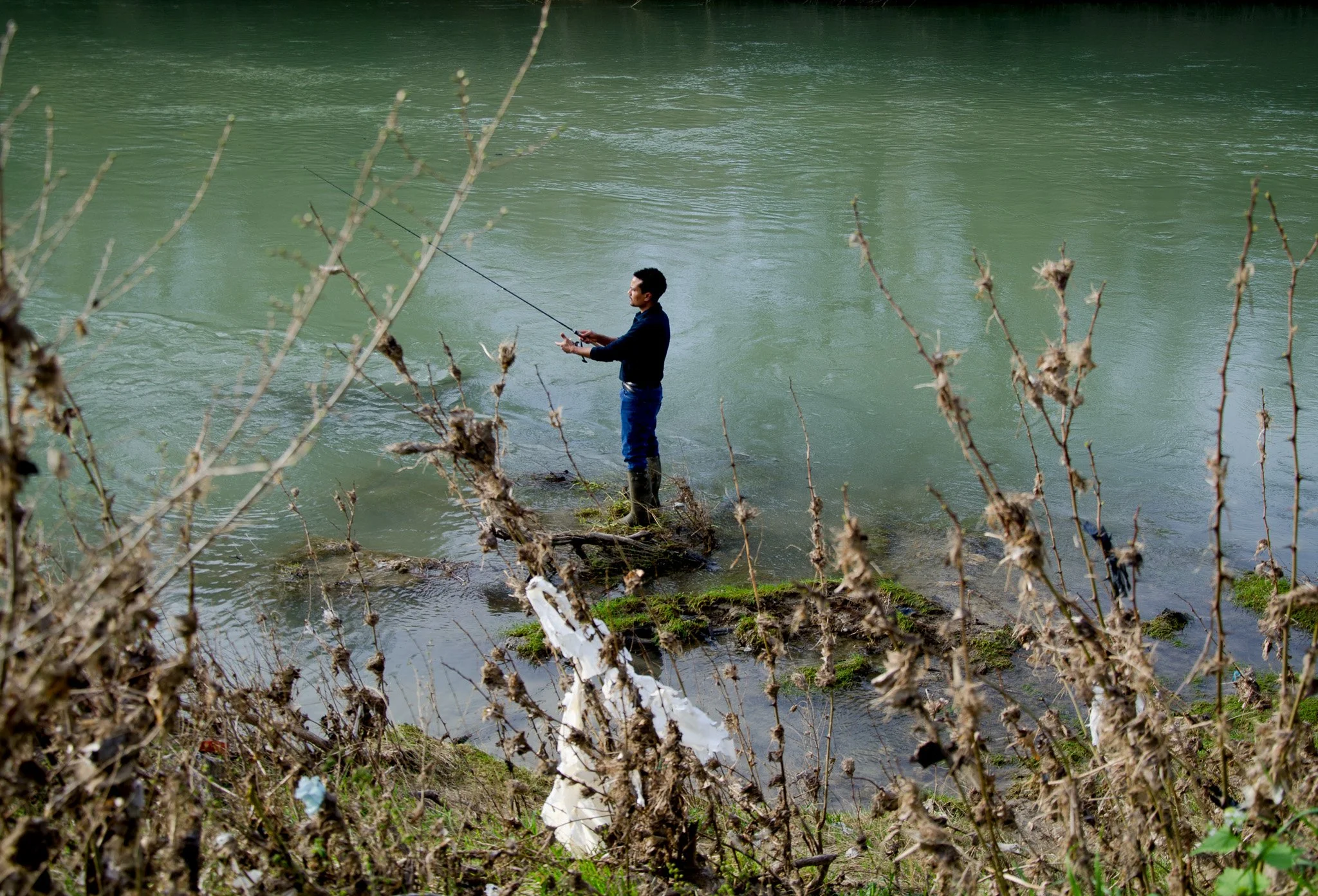
Following its course was like tracing the ruins of a lost civilization, where past and present merge into a single, continuous landscape. The Tiber becomes a metaphor for the cycle of life itself and a reflection on the contradictions of modern consumer culture. This project seeks to raise awareness by combining visual art with historical and scientific knowledge, encouraging a dialogue toward a society more attuned to cultural and environmental values.
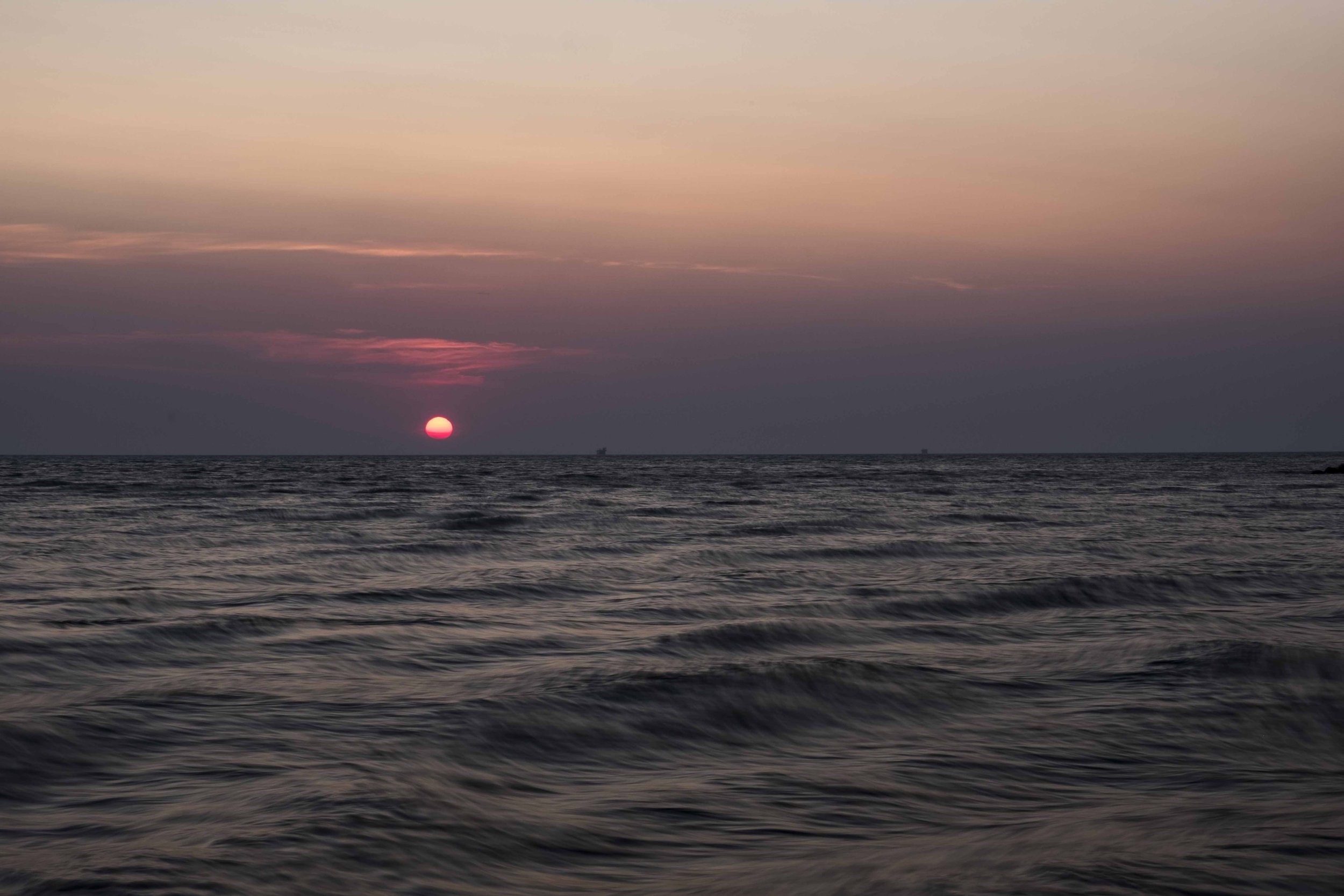
Over the four and a half years of this project, I traveled the entire 410 kilometers of the Tiber — by canoe, by car, and on foot — photographing the river regularly every five kilometers, from its source to its mouth. My goal was to build a visual sampling of the river’s body. What first drove me was curiosity: a desire to understand the causes of its pollution and to rediscover its historical role, vital for more than two thousand years. I imagined my journey as a single day: the river’s source photographed at dawn, its mouth at sunset — the cycle of light mirroring the eternal flow of water and time.